Why Out-of-Home Advertising Is Having a Global Resurgence
Out-of-home advertising is experiencing a strong global comeback. As cities grow, mobility increases, and digital screens transform public spaces, OOH is becoming an increasingly powerful channel for brands seeking real-world visibility and attention.
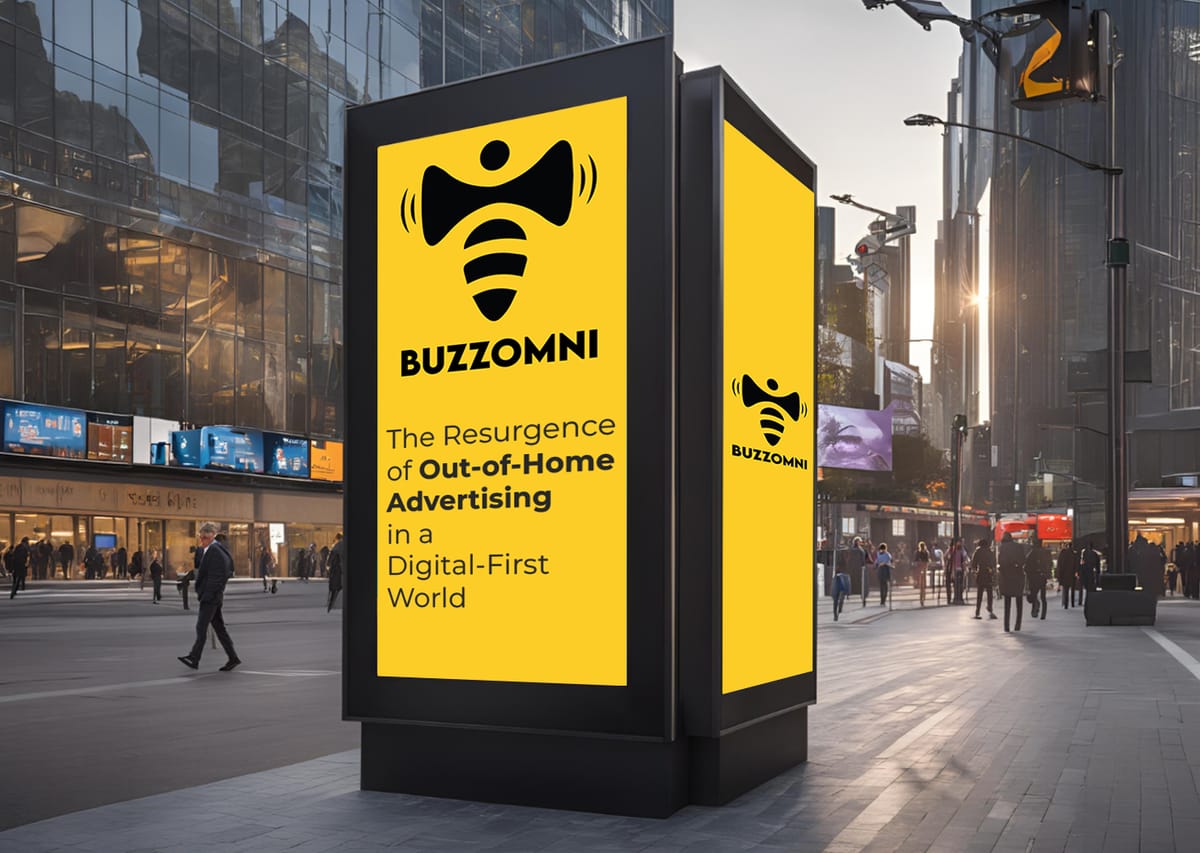
Table of Contents
- Introduction
- The Global OOH Market Is Growing Again
- Urban Mobility Is Creating New Advertising Moments
- Digital OOH Is Transforming the Medium
- OOH Complements the Digital Ecosystem
- The Medium Commands Real Attention
- Creativity Thrives in Public Spaces
- The Future of OOH Is Hybrid
Introduction
In an era dominated by digital screens and algorithm-driven marketing, one of the oldest advertising formats is experiencing a powerful revival. Out-of-Home (OOH) advertising — from billboards and transit media to digital screens in urban spaces — is seeing renewed global momentum as brands rediscover the value of real-world visibility.
Across major cities worldwide, OOH is evolving from a traditional awareness channel into a dynamic, data-informed medium that blends physical presence with digital intelligence. The result: a format that commands attention, integrates seamlessly into modern media strategies, and continues to expand its global footprint.
The Global OOH Market Is Growing Again
The numbers tell a clear story. The global out-of-home advertising market is expanding steadily, with industry forecasts projecting continued growth over the coming decade. Recent estimates suggest the market could reach nearly $96 billion by 2030, driven by increasing advertiser investment and expanding digital infrastructure.
OOH has also proven resilient in a rapidly changing media landscape. The medium now reaches billions of people daily, with studies indicating that it can connect with over 6 billion people worldwide, representing a substantial share of the global population.
Regions like Asia-Pacific are leading the charge, with strong growth fuelled by urbanization, infrastructure development, and rising consumer mobility.
Urban Mobility Is Creating New Advertising Moments
Cities are expanding, transit networks are growing, and daily movement patterns are becoming more complex. Every commute, ride, or walk through a commercial district creates opportunities for brands to connect with audiences in real-world environments.
In markets such as India, OOH growth is being supported by new metro lines, airports, and smart-city infrastructure. This expansion is helping the medium grow faster than the global average, with India’s OOH industry expected to increase by around 5.8% annually.
As urban mobility increases, the number of high-visibility advertising touchpoints — from roadside formats to transit media — continues to expand.
Digital OOH Is Transforming the Medium
One of the biggest drivers behind OOH’s resurgence is the rise of Digital Out-of-Home (DOOH).
Digital screens allow advertisers to deliver dynamic, context-aware content that can adapt based on factors like time of day, weather, traffic patterns, or live data. This flexibility enables brands to run more relevant and responsive campaigns compared to traditional static formats.
The shift toward digital formats is accelerating quickly. Digital OOH now represents a growing share of the global market, with programmatic buying and automated planning tools making the medium more accessible and measurable for advertisers.
For marketers accustomed to the agility of digital media, DOOH brings that same responsiveness to the physical world.
OOH Complements the Digital Ecosystem
Rather than competing with digital channels, OOH increasingly works alongside them.
Many campaigns today combine physical visibility with digital engagement — integrating QR codes, social amplification, location-based targeting, and mobile retargeting strategies. This blend of offline presence and online interaction allows brands to build awareness in the real world while driving deeper engagement across digital platforms.
Research also shows that OOH significantly strengthens brand recall and awareness, making it an effective top-of-funnel channel that amplifies the impact of other media investments.
The Medium Commands Real Attention
In a media environment where users constantly skip, scroll, and block ads, OOH offers something increasingly rare: unavoidable visibility.
Unlike online ads that compete with endless content feeds, OOH messages exist within the physical landscape. Whether it’s a striking billboard, a transit wrap, or a digital screen in a high-footfall area, the format naturally captures attention during everyday routines.
This ability to reach audiences in the real world is one reason why many marketers are reinvesting in the medium as part of a balanced media mix.
Creativity Thrives in Public Spaces
OOH also offers a unique canvas for bold, memorable creative.
From large-scale installations to immersive transit campaigns, brands are using public spaces to deliver storytelling that stands out in the urban environment. The scale and visibility of OOH formats allow campaigns to become part of the city itself — generating organic conversations, social sharing, and cultural relevance.
When executed well, these campaigns extend far beyond the physical format, gaining additional reach through social media and online coverage.
The Future of OOH Is Hybrid
The global resurgence of OOH is not about returning to the past — it’s about reimagining a classic medium for a modern audience.
With advances in digital screens, data analytics, and programmatic buying, OOH is evolving into a smarter, more integrated advertising channel. As cities grow and mobility continues to increase, the medium is positioned to remain a powerful bridge between brands and real-world audiences.
For marketers seeking high-impact visibility in increasingly crowded digital ecosystems, OOH offers something uniquely valuable: scale, creativity, and presence in the spaces where people live, move, and engage every day.