The Ultimate Guide to Omnichannel Campaign Planning in 2026
A comprehensive guide to omnichannel campaign planning in 2026, exploring how outdoor, transit, cinema, and television advertising work together to create connected brand experiences.

Table of Contents
- Introduction
- Why Omnichannel Matters More Than Ever in 2026
- Core Pillars of Omnichannel Campaign Planning
- The Role of Offline Media in a Digital-First World
- Integrating Outdoor, Cinema, and Television into One Journey
- Measuring Omnichannel Success in 2026
- The Future of Omnichannel Campaigns
- Conclusion
Introduction
In 2026, omnichannel campaign planning is no longer about being present on multiple platforms—it is about orchestrating those platforms into one cohesive, data-driven brand experience. Consumers move fluidly between physical and digital environments, and brands that fail to mirror this behaviour risk losing relevance. From out of home advertising to connected TV, successful omnichannel strategies now hinge on integration, timing, and measurable impact.
This guide breaks down how brands can plan high-performing omnichannel campaigns in 2026, with a strong focus on traditional and emerging offline media formats that continue to drive scale, trust, and real-world visibility.
Why Omnichannel Matters More Than Ever in 2026
Today’s consumer journey is fragmented yet predictable. A commuter might encounter ooh advertising on the way to work, watch tv ads at home in the evening, and see cinema ads during a weekend movie outing—all before making a purchase decision online. Omnichannel planning ensures that each of these touchpoints reinforces the same message, rather than operating in silos.
Brands that align outdoor media, digital channels, and broadcast platforms benefit from:
- Higher recall and message consistency
- Improved attribution across offline and online channels
- Stronger brand trust through repeated exposure
Core Pillars of Omnichannel Campaign Planning
1. Unified Messaging Across Offline Channels
The foundation of any omnichannel strategy is message alignment. Whether it’s an advertising billboard on a highway or television advertising during prime time, the brand story must remain consistent while adapting to the context of each medium.
For example:
- Outdoor promotion focuses on bold visuals and short messages
- TV advertising allows for emotional storytelling
- Cinema advertising delivers immersive, distraction-free impact
Each format plays a distinct role, but all should ladder up to the same campaign objective.
2. Strategic Use of Out-of-Home and Transit Media
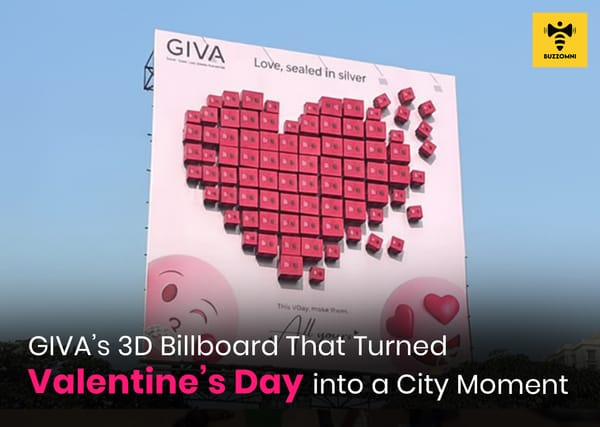
Despite the rise of digital, outdoor advertising continues to be a cornerstone of omnichannel planning in 2026. Modern ooh adverts are no longer static; they are data-informed, geo-targeted, and often integrated with mobile or QR-driven experiences.
Key formats include:
- Large-format advertising billboards for mass awareness
- Transit advertising on cabs, buses, and metro systems for repeated daily exposure
- Contextual transit ad placements aligned with commuter routes and peak hours
When paired with digital retargeting, out of home advertising becomes a powerful driver of both awareness and action.
3. Cinema and Television as High-Impact Anchors
While digital channels excel at performance, cinema advertising and tv advertising remain unmatched for brand-building. In 2026, these channels are increasingly used as anchors within omnichannel campaigns.
- Cinema ads offer high attention, premium environments, and strong emotional resonance
- Television advertising delivers reach and credibility, especially during live events and regional programming
- Short-form tv ads can be sequenced with outdoor and mobile messaging for sustained recall
The key is not choosing between cinema or TV, but integrating them with outdoor media and digital touchpoints for cumulative impact.
4. Data-Driven Planning and Measurement
Omnichannel success depends on measurement. In 2026, brands rely on unified dashboards that connect offline exposure—such as outdoor advertising or transit advertising—with online behaviours.
Advanced planning includes:
- Location intelligence to map exposure to footfall or app installs
- Attribution models that account for ooh advertising and broadcast media
- Creative optimization based on performance across channels
This allows marketers to justify spend across out of home advertising, TV, and cinema with the same rigor as digital media.
The Role of Offline Media in a Digital-First World
Despite the dominance of digital platforms, offline media continues to play a critical role in omnichannel campaign planning in 2026. Formats such as outdoor advertising, television advertising, and cinema advertising provide scale, credibility, and unavoidable visibility—qualities that digital channels alone often struggle to deliver.
Out of home advertising reaches consumers during real-world moments of movement, making outdoor media and transit advertising especially effective for top-of-funnel awareness. Whether it’s an advertising billboard on a high-traffic road or a strategically placed transit ad during peak commute hours, offline media ensures brands stay visible beyond screens.
In a digital-first world, offline channels are not competitors to digital—they are amplifiers that strengthen recall, trust, and campaign performance when integrated correctly.
Integrating Outdoor, Cinema, and Television into One Journey
True omnichannel success comes from designing a connected media journey rather than isolated placements. In 2026, high-performing campaigns intentionally sequence outdoor promotion, cinema ads, and tv advertising to guide audiences from awareness to consideration.
A typical integrated journey might look like this:
- OOH advertising and outdoor media build mass awareness during daily routines
- Television advertising reinforces the message with storytelling and frequency
- Cinema advertising delivers high-impact, immersive reinforcement in premium environments
When tv ads, ooh adverts, and cinema ads carry consistent creative cues—visuals, taglines, and CTAs—the cumulative effect is significantly stronger than any single channel operating alone.
Measuring Omnichannel Success in 2026
Measurement has evolved dramatically, enabling brands to evaluate offline channels with digital-level precision. In 2026, omnichannel performance is assessed using a mix of exposure data, location intelligence, and outcome-based metrics.
Key measurement approaches include:
- Mapping outdoor advertising exposure to footfall, website visits, or app installs
- Evaluating the lift generated by television advertising and tv ads across regions
- Assessing brand recall and consideration uplift from cinema advertising
- Using unified dashboards to compare performance across out of home advertising, digital, and broadcast media
This shift has transformed outdoor promotion and broadcast formats into accountable, performance-aware channels within omnichannel plans.
The Future of Omnichannel Campaigns
As consumer attention becomes harder to capture, omnichannel planning in 2026 is about surrounding the audience with relevance—not repetition. The most effective campaigns connect outdoor promotion, cinema advertising, television advertising, and transit ads into one seamless journey.
Brands that treat outdoor media and broadcast formats as strategic assets—not legacy channels—will win mindshare in an increasingly competitive landscape. Omnichannel is no longer a buzzword; it is the blueprint for scalable, sustainable brand growth.
For marketers planning their next big campaign, the message is clear: omnichannel success starts where your audience lives, moves, and watches.
Conclusion
Omnichannel campaign planning in 2026 is about designing cohesive brand experiences across both physical and digital worlds. Channels such as outdoor advertising, transit advertising, cinema advertising, and television advertising remain indispensable—not as standalone tactics, but as integrated pillars of a unified strategy enabled by BuzzOmni’s connected omnichannel approach.
Brands that effectively connect outdoor media, tv ads, cinema ads, and digital touchpoints will achieve stronger recall, higher trust, and better long-term impact. The future belongs to marketers who understand that omnichannel is not about being everywhere—it’s about being connected everywhere.