Pre-Movie Interactive Ads: When Cinema Lobbies Become Experiential Hubs
Pre-movie interactive ads are transforming cinema lobbies into engaging brand experiences. From AR installations to gamified displays, cinema advertising is evolving into an immersive, high-impact marketing channel for brands.
- Introduction
- The Rise of Experiential Cinema Ads
- Benefits of Pre-Movie Interactive Campaigns
- Examples of Innovative Interactive Cinema Advertising
- Why Brands Should Invest in Pre-Movie Engagement
- Conclusion
Introduction
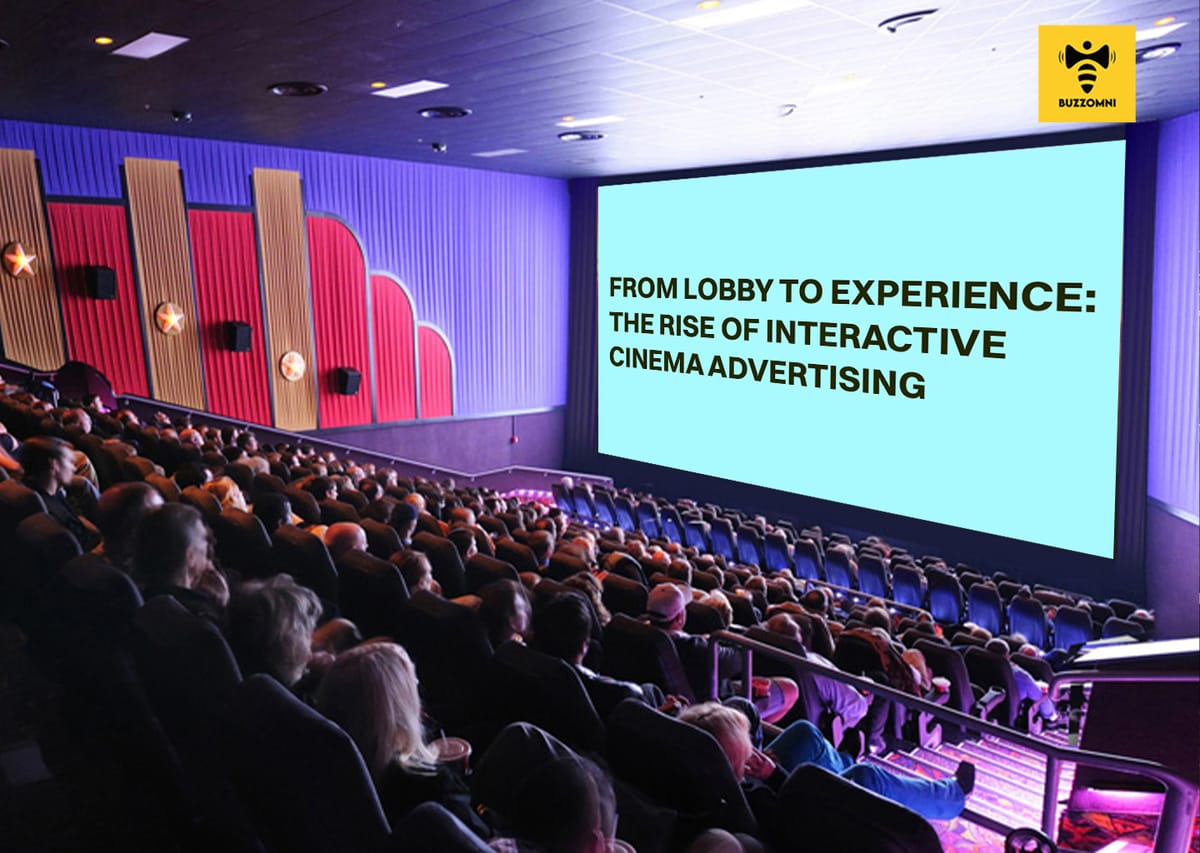
In today’s fast-paced advertising landscape, grabbing consumer attention requires more than static visuals or traditional commercials. Cinema advertising has evolved far beyond simple on-screen spots. Pre-movie interactive ads are transforming cinema lobbies into dynamic experiential hubs, turning passive moviegoers into engaged participants. These campaigns are redefining how brands connect with audiences before the first reel even starts.
The Rise of Experiential Cinema Ads
While cinema ads have always been a staple for marketers, the focus has traditionally been on the on-screen commercial shown before the movie. However, modern brands are increasingly leveraging the physical space of theaters—the lobby, entrance areas, and concession zones—to extend the advertising experience. This shift taps into the captive attention of moviegoers, who are already immersed in the cinema environment.
Interactive campaigns, often termed as “pre-movie engagement,” transform ordinary cinema visits into memorable brand interactions. From augmented reality installations to immersive product demos, these ad cinema strategies are turning waiting areas into experiential zones. The key is to make engagement fun, intuitive, and shareable, ensuring that the brand leaves a lasting impression even before the movie starts.
Benefits of Pre-Movie Interactive Campaigns
- Enhanced Recall: Studies show that interactive adverts in cinema environments significantly boost memory retention. By engaging multiple senses—sight, touch, and sometimes sound—these campaigns leave a stronger impression than conventional ads.
- High Engagement Rates: Unlike outdoor promotion or traditional cinema adverts that viewers might ignore, interactive installations encourage participation. Moviegoers are more likely to spend time with a brand that offers a tactile or digital experience in the theater lobby.
- Social Sharing Potential: Many pre-movie experiences are designed with photo or video opportunities. This encourages visitors to share their experiences on social media, extending the reach of advertising in cinema theatres far beyond the physical location.
Examples of Innovative Interactive Cinema Advertising
Some brands have experimented with gamified experiences in cinema lobbies, where visitors can compete in quick challenges or quizzes related to the movie or product. Others have introduced AR (augmented reality) portals, allowing audiences to interact with characters, products, or immersive environments linked to the brand.
For instance, movie promotions combined with product sampling or pop-up installations can transform a simple theater advertisement into a full-blown marketing experience. Even traditional cinema ads can be amplified with QR codes leading to instant discounts, contests, or exclusive content, blending physical and digital marketing seamlessly.
Why Brands Should Invest in Pre-Movie Engagement
Investing in pre-movie interactive ads isn’t just about novelty—it’s about maximizing impact in a high-attention, low-distraction environment. Ads in movie theaters reach audiences in a mindset receptive to entertainment and leisure, making it an ideal moment to connect emotionally and experientially.
Moreover, integrating advertising in cinema theatres with strategic campaigns enhances ROI by merging brand storytelling with tangible engagement. Instead of merely watching a spot on screen, consumers actively participate, turning the theater visit into a multi-sensory brand experience.
Conclusion
Cinema advertising has entered an exciting new era. Pre-movie interactive campaigns are transforming lobbies from passive waiting areas into vibrant experiential hubs, bridging the gap between brand and audience in memorable ways. By embracing these innovative strategies, marketers — especially through platforms like BuzzOmni — can ensure that cine ads are not just seen but truly experienced.
As moviegoers continue to seek more immersive experiences, brands that invest in interactive pre-movie engagements will stand out, creating lasting impressions and fostering meaningful connections that extend well beyond the silver screen.